
Quick Fact – Gambling Downs Nine Pin

1830s In this decade, moral fervor over gambling and organized crime led many United States cities to outlaw nine-pin bowling, which had been popular since colonial times. By the mid-40s, nine pin had vanished from the country except for in Texas, where instead of illegalizing it, they taxed it at $150 per year (today, about…
Golden Rooster: Advertising or Art?

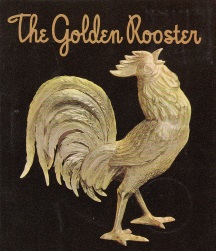
1957-1962 Perhaps it was a bird-brained idea, perhaps not. In 1957, Dick Graves, the owner of the Nugget, in Sparks, Nevada, commissioned a handcrafted, solid gold rooster for display in one of his hotel-casino restaurants, the Golden Rooster Chicken House, then under construction. The final product was 9 inches tall and embodied about $40,000 worth…

Thwarting Mob Activities

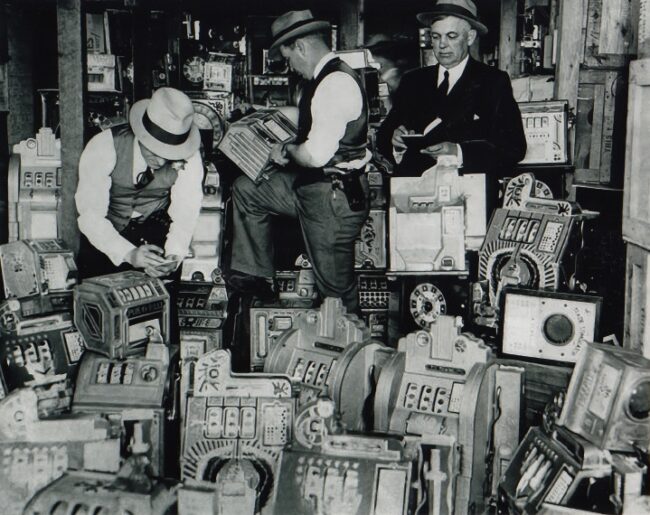
1950s The manufacture of slot machines, roulette wheels and other gambling equipment was big business in the United States until the mid-20th century when new federal legislation curbed it. In 1950, the Kefauver Committee, officially the U.S. Senate Special Committee to Investigate Organized Crime in Interstate Commerce, began delving into the underworld’s involvement with gambling. The…

WWII: Impact on Nevada’s Gambling

1944-1945 In the final year of World War II, three related mandates hampered Nevada’s gambling clubs, but, in general, casinos willingly withstood the hits out of a sense of patriotic duty. These directives, imposed by the United States’ war mobilization agency, followed a national call for roughly 200,000 more “able-bodied men, willing to do hard…