
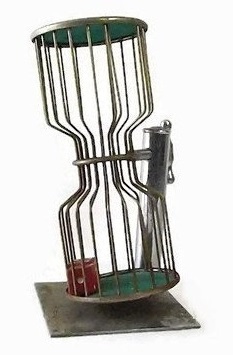
Quick Fact – Tinhorn Gambler

Today/1888 A “tinhorn gambler,” according to several dictionaries, refers to a game of chance operator who pretends to have money, ability or influence. The phrase is said to come from people who set up chuck-a-luck games with few funds and a cheap metal (versus leather) chute, called a horn — individuals whom faro dealers disparaged as…
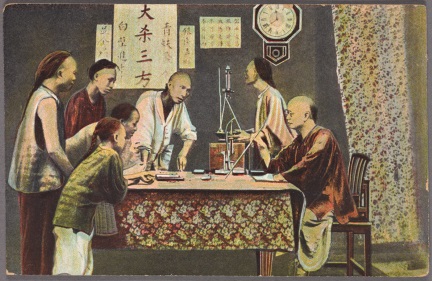
Quick Fact – Gambling Feast

1887 A newspaper blurb touting the availability of gambling in Reno, Nevada titled, A Feast for the Gamblers, read: “Those who delight in gambling sports can be accommodated in Reno … no less than thirty-one games are in full blast. They comprise seven stud poker, two wheel games, one rouge-et-noir, one Ichi ban, six faro,…

Animals Run Roadside Zoos

1940s A spate of “roadside zoos” opened along various Nevada highways, typically in rural areas, during the late 1940s. The owners were hustlers who lured unsuspecting tourists onto their grounds with the promise of seeing exotic birds, reptiles and/or wild animals then swindled them out of money via games of chance. The ruse often involved…

Quick Fact – Equipment Carful

1920 Following abolishment of gambling in Nevada, a Los Angeles moving picture company purchased and shipped to California a carful of equipment outlawed in 1909, including roulette wheels, faro tables and chuck-a-luck games. Photo from freeimages.com: “Roulette Wheel” by Richard Styles

Hollywood Sex Symbol’s Missteps

1930 Silent film star, Clara Bow, spent one September evening in 1930 playing illegal gambling games at a Lake Tahoe, Nevada casino. Both winning and losing at roulette, craps, 21 and the dice game, chuck-a-luck, she requested a high roll. The Cal-Neva Lodge obliged, allowing her to play as high as $300 per roll or…